Industrial facilities face unpredictable weather events that can threaten people, processes, and equipment. Outdoor crews and high-value assets are particularly exposed when severe winds, lightning storms, or heat extremes occur without warning. Without fast, reliable communication, workers may not receive critical safety instructions quickly enough, and operations that depend on precise environmental conditions can experience costly damage.
This is how a properly integrated industrial PA system eliminates that gap when connected to live environmental sensors.

The Vulnerability of Industrial Sites to Sudden Weather Events
Weather shifts can occur without much notice, but the consequences for industrial sites can be severe. Sudden wind gusts can shut down crane operations to prevent load swings or dropped loads, while temperature spikes can disrupt sensitive chemical processes or overheat equipment. Standard communication tools often fail to provide the immediacy required for these scenarios.
An industrial sound system capable of automated weather warnings removes human latency from the equation. Once a threshold is reached, the system acts without waiting for a call to be made.
Integrating Real-Time Sensors for Instant Alerts
The most effective way to weather-proof a facility is to connect environmental sensors to your emergency mass notification system. By wiring anemometers and lightning detectors into the controller’s digital or analog inputs, you ensure that alerts are triggered the moment a hazard is detected. This creates a safety net that operates around the clock.
Utilizing threshold-based warnings allows for a more nuanced response:
- Triggering specific stop-work instructions only when a precise wind speed threshold is met
- Activating indoor shelter-in-place tones when lightning is detected within a specific radius
- Sending automated heat-stress reminders when the heat index reaches a critical level
- Initiating evacuation protocols for flood-prone zones based on water level sensors
This integrated employee alert system reduces human error by removing the need for a manual all-call during the chaos of a storm.

Maintaining Clarity During Severe Environmental Noise
Heavy rain and gale-force winds create a wall of ambient sound that standard speakers cannot cut through. Clear, high-output digital audio is essential for ensuring safety instructions remain intelligible when they are needed most.
Visual indicators, such as strobe lights or warning beacons, play an equally important role for workers in remote yard areas or high-noise zones. A modern employee notification system must address auditory and visual communication channels to reliably guide staff to shelter.
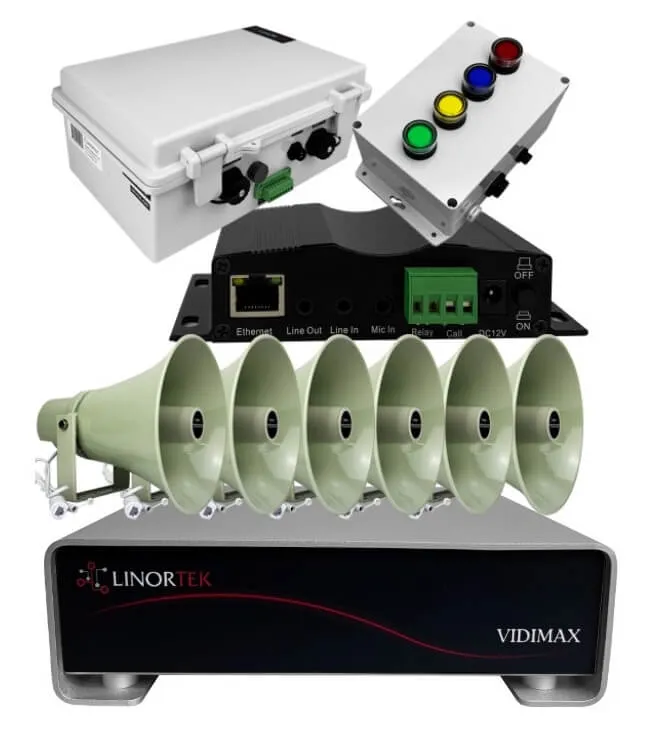
Build a Resilient Alert Network with Linortek’s Netbell IP Paging System
A weather emergency often coincides with the failure of local infrastructure. When ISP connectivity drops, systems that depend on the cloud go silent at exactly the wrong moment.
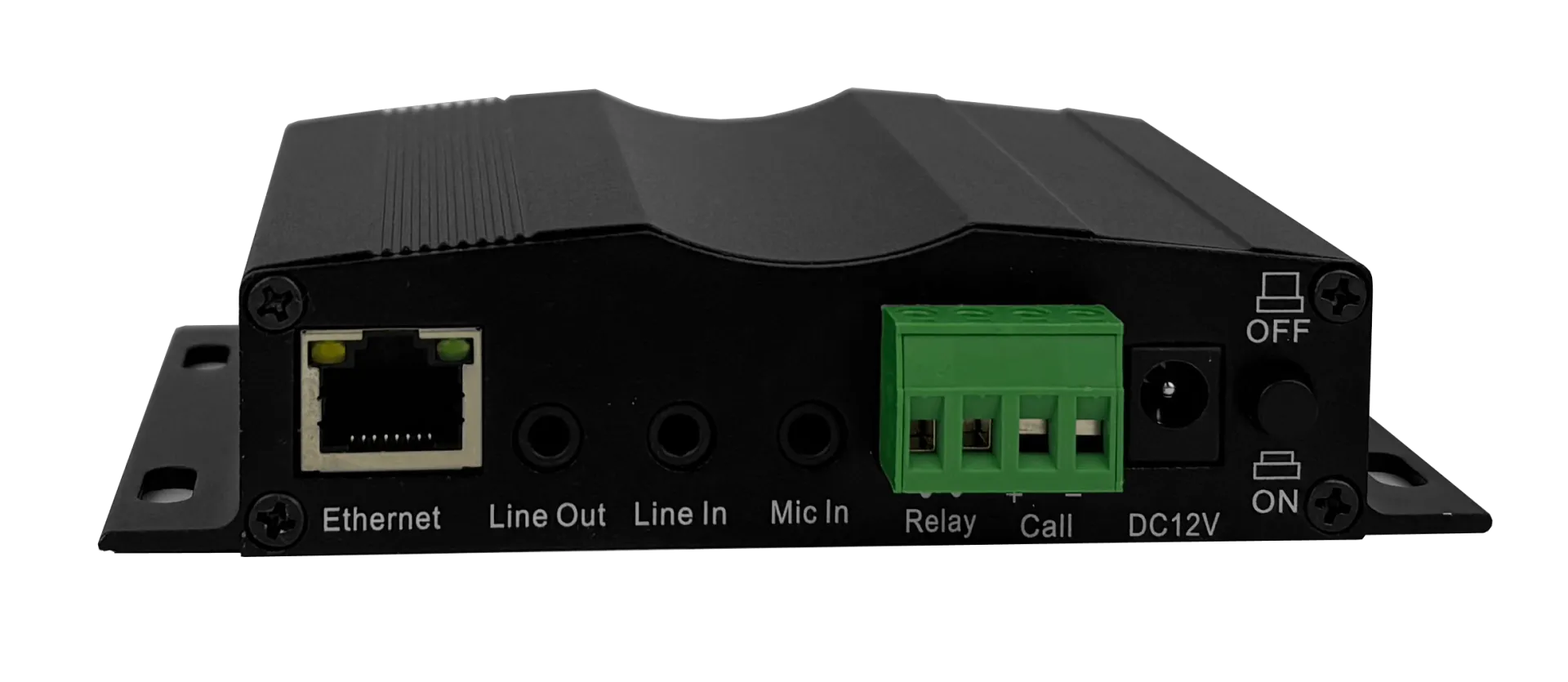
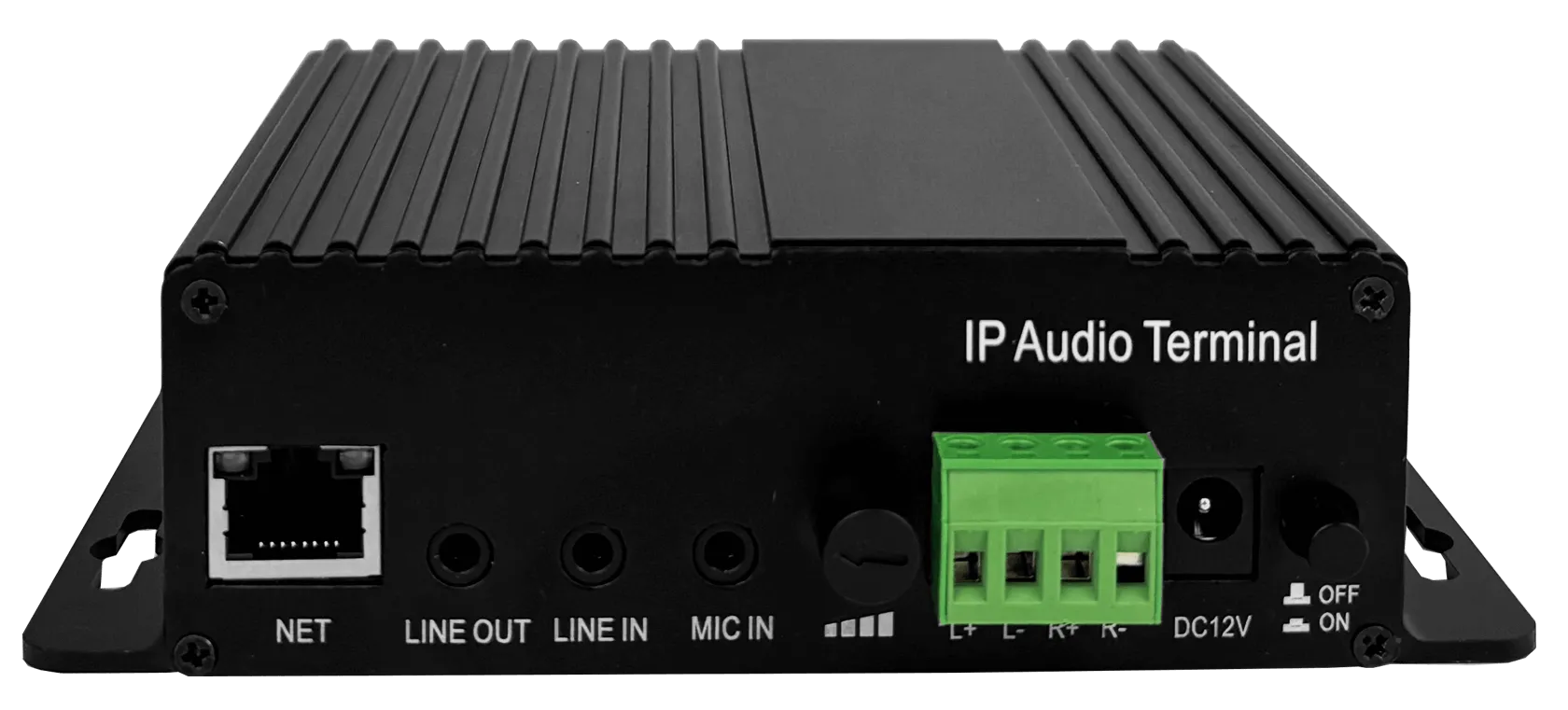
Linortek’s industrial IoT solutions are designed around standalone hardware with built-in servers, performing safety protocols locally without relying on third-party platforms or recurring fees. Our industrial PA system syncs alerts across multiple structures simultaneously, ensuring a network outage does not disable your emergency paging system. Visit our website or contact our team to find the perfect solution for your facility.

FAQs
What is the difference between an industrial PA system and an emergency paging system?
An industrial PA system broadcasts scheduled messages and day-to-day communication, while an emergency paging system focuses on rapid alerts triggered by real-time conditions or safety events. Modern solutions often combine both capabilities for comprehensive communication.
Can an employee alert system function without internet access?
Yes. Systems like Linortek’s operate independently of internet access by using local IP network infrastructure, ensuring emergency notifications continue even if external connections fail.