Many facilities still rely on a patchwork of legacy communication tools that were installed at different times to solve different problems. Bells, intercoms, and PA systems often operate independently, each with its own wiring, hardware, and maintenance needs. Over time, this approach becomes costly and difficult to manage, especially as organizations grow or reconfigure their spaces.
In this guide, we explore how a multi-purpose IP paging system simplifies communication, reduces infrastructure complexity, and supports operational needs across a range of environments.
The Hidden Cost of Maintaining Multiple Legacy Systems
Operating separate bell, intercom, and public address systems creates unnecessary duplication at the infrastructure and management levels. Redundant wiring increases failure points and complicates troubleshooting, while aging analog components often require specialized contractors who are harder to source and more expensive.
Even routine changes become inefficient. Updating a bell schedule, modifying paging zones, or adding a new area can require physical rewiring or manual configuration across multiple systems. For environments that depend on a reliable emergency paging system, these delays introduce avoidable risk and operational friction.
Replacing Three Systems with One Ethernet-Based Platform
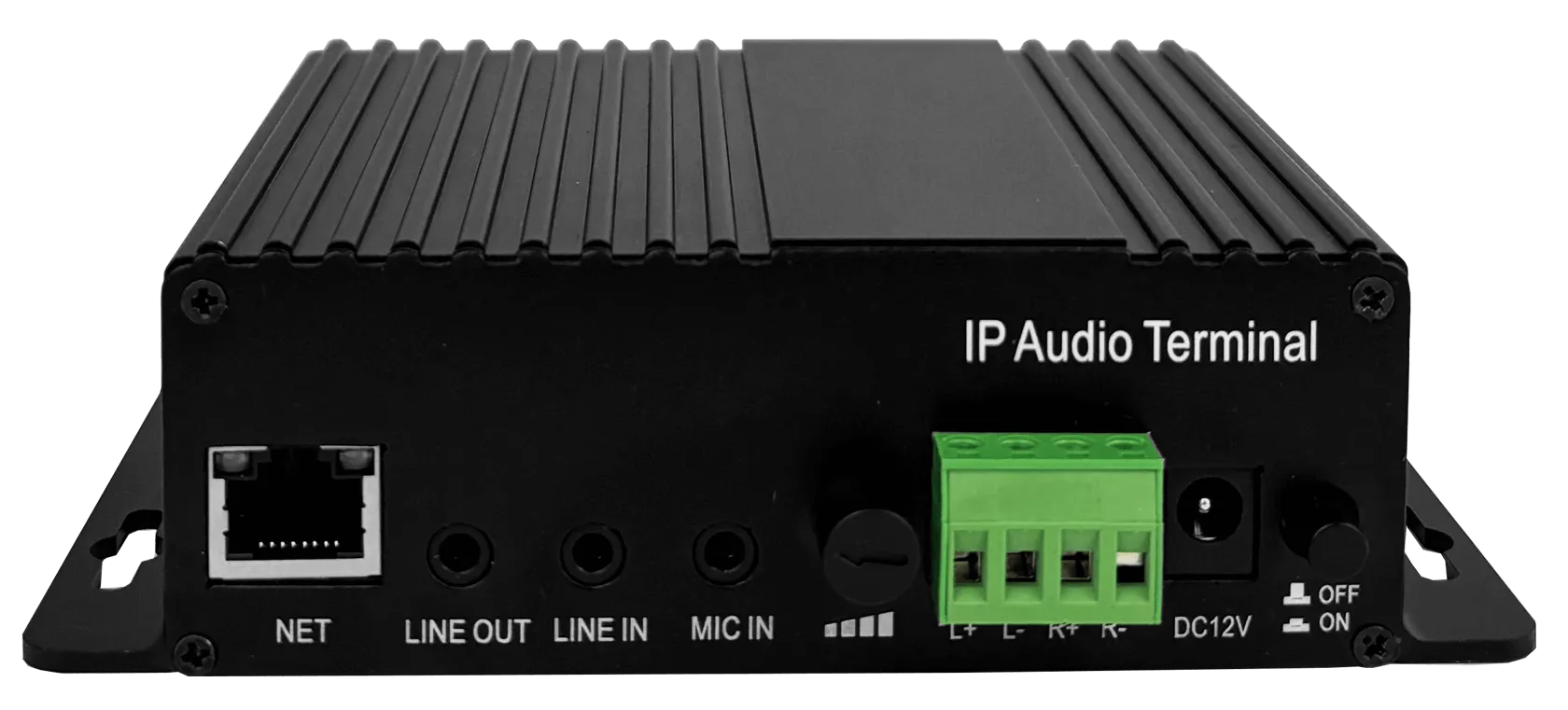
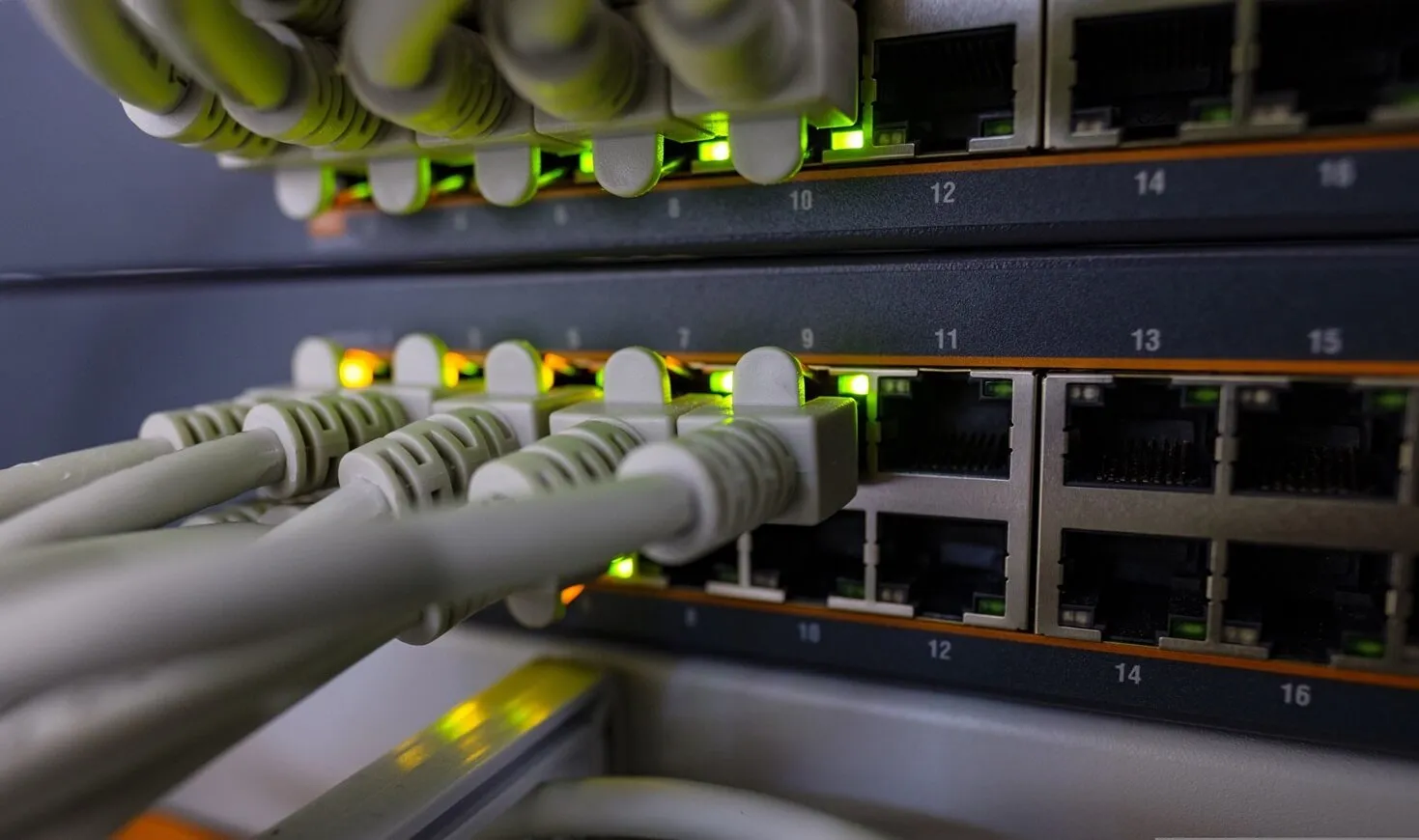
An IP-based PA system consolidates announcements, scheduled tones, and optional two-way communication onto a single Ethernet network. By leveraging standard LAN infrastructure, facilities can replace multiple standalone systems with one cohesive network paging system that is easier to deploy and manage.
This consolidation delivers practical operational advantages that extend beyond convenience:
- Announcements, tones, and alerts are managed from a centralized interface.
- New zones are added through configuration rather than rewiring.
- Staff training is simplified by eliminating multiple control systems.
Upgrading Without Specialized Contractors or Cloud Dependence
Modern industrial paging systems allow facilities to update communication using their existing network infrastructure. Devices connect directly to the LAN, enabling IT or facilities teams to handle configuration and updates internally without relying on outside contractors.
Equally important, locally hosted control eliminates dependence on third-party cloud services. On-premises operation ensures consistent performance, greater data control, and continued functionality even during internet outages, making this approach well-suited to mission-critical environments.
Real-World Impact Across Warehouses, Schools, and Campuses
A consolidated IP-based paging platform delivers practical benefits across different facility types, including:
- Warehouses: A warehouse paging system provides clear, reliable announcements in large, high-noise environments while supporting flexible zoning as operations evolve.
- Schools: A unified school intercom and bell system simplifies daily schedules, routine messaging, and emergency alerts through a single control interface.
- Multi-building campuses: Centralized management creates a consistent, sustainable communications backbone without duplicating infrastructure across locations.
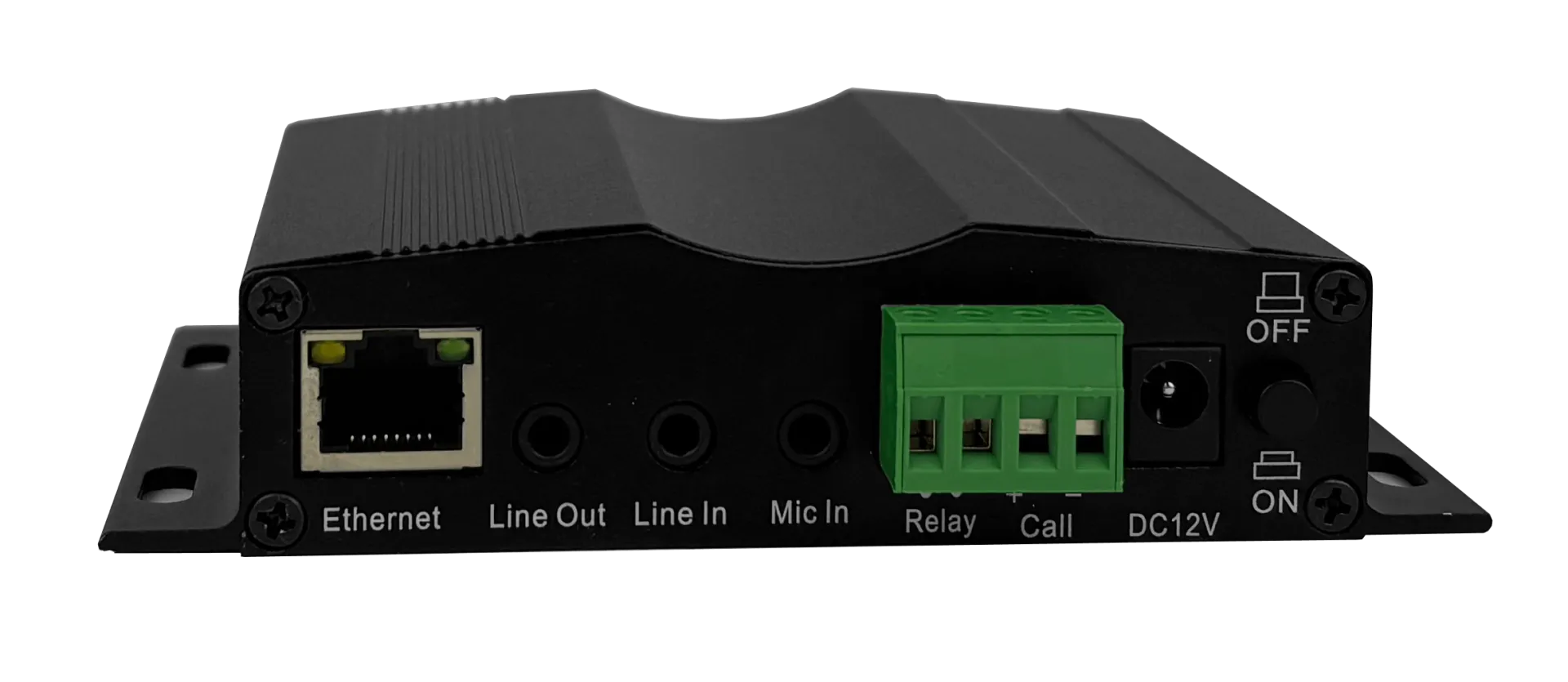
Linortek’s locally hosted IP paging solutions are designed for this consolidation, allowing organizations to modernize communication on their own network without specialized contractors or recurring fees.
Contact Linortek for a Multi-Purpose IP Paging System
Whether you’re managing a warehouse, educational facility, or multi-building campus, a modern IP paging system eliminates infrastructure complexity while improving reliability. At Linortek, our solutions run on your existing network infrastructure, delivering centralized control and long-term stability. In areas where cabling is impractical or expansion is required, a wireless IP paging system can be integrated to extend coverage without compromising performance or management consistency.
Call us at 336-485-6199 or fill out our sales inquiry form to discuss how we can streamline your facility’s communication infrastructure.